
Opportunities for international agritech innovators
This article was first published in Startups Magazine, here.
Agriculture remains one of Southeast Asia’s most important economic sectors, employing millions of people and supplying food to a fast-growing population.
But the industry is under increasing pressure. Climate variability, labour shortages and rising demand for food are forcing governments and producers to rethink how farming operates.
Across Indonesia, Vietnam and the Philippines in particular, this is accelerating interest in agritech innovations that can improve productivity, strengthen supply chains and help agricultural companies adapt to environmental pressures. And for international agritech providers, these shifts are creating a growing set of commercial opportunities in markets that are looking for new technologies and expertise.
A turning point in Southeast Asia
Agriculture continues to play a central role in the economies of Indonesia, Vietnam and the Philippines.
Indonesia is the world’s largest producer of palm oil and a major fish supplier, while Vietnam is the leading global exporter of black pepper and one of the top exporters of rice and coffee. The Philippines is a key supplier of bananas and pineapples to global markets.
Across all three countries, agriculture employs large rural populations and remains critical to food security and export earnings.
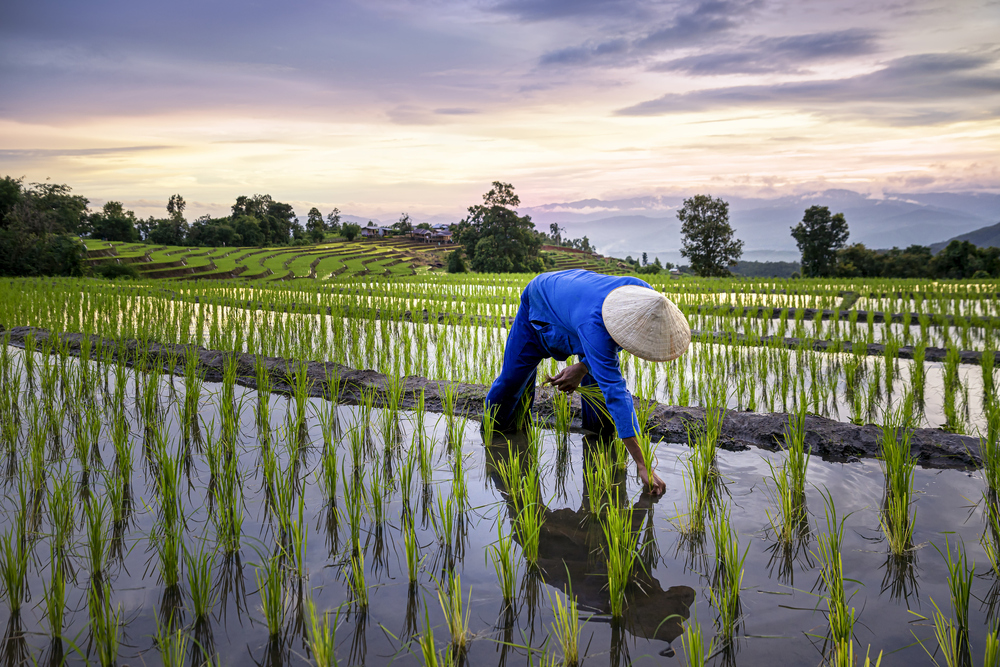
Yet productivity levels remain uneven, and the sector faces mounting structural tensions. Climate variability and extreme weather events are becoming more frequent, affecting crop yields and increasing uncertainty for producers. At the same time, governments are under pressure to increase output while managing constraints around land, water and other resources. And rising costs of fertilisers, which are sensitive to global energy markets and geopolitical tensions, are placing further stress on farmers across the region.
These factors are driving a shift toward more data-driven agriculture. And digital technologies that provide better visibility over farm operations, weather patterns and supply chains are becoming increasingly important tools for policymakers and producers alike.
Emerging agritech opportunities
Agritech adoption is gaining momentum across many parts of the agricultural value chain in the region.
Productivity-focused technologies are attracting strong interest as farmers and agribusinesses look to improve yields and manage rising input costs. Solutions including precision farming tools, crop monitoring systems and farm management platforms can help optimise fertiliser use, irrigation and pest control.
Post-harvest and supply chain technologies are another priority area. As regional producers expand exports of products such as coffee, cocoa, tropical fruits and seafood, there’s growing demand for traceability systems, cold chain infrastructure and quality monitoring tools that help meet international standards.
Water management and climate-resilient farming technologies are also becoming more important: increasing weather volatility is creating demand for solutions that help farmers manage irrigation more efficiently, anticipate climate risks and improve resource use.
Meanwhile, digital platforms which connect farmers with financing, buyers and inputs such as seeds, fertilisers and crop protection products are helping to address structural inefficiencies across agricultural ecosystems.
Who is adopting agritech?
Innovations are being adopted by a diverse mix of players across Southeast Asia.
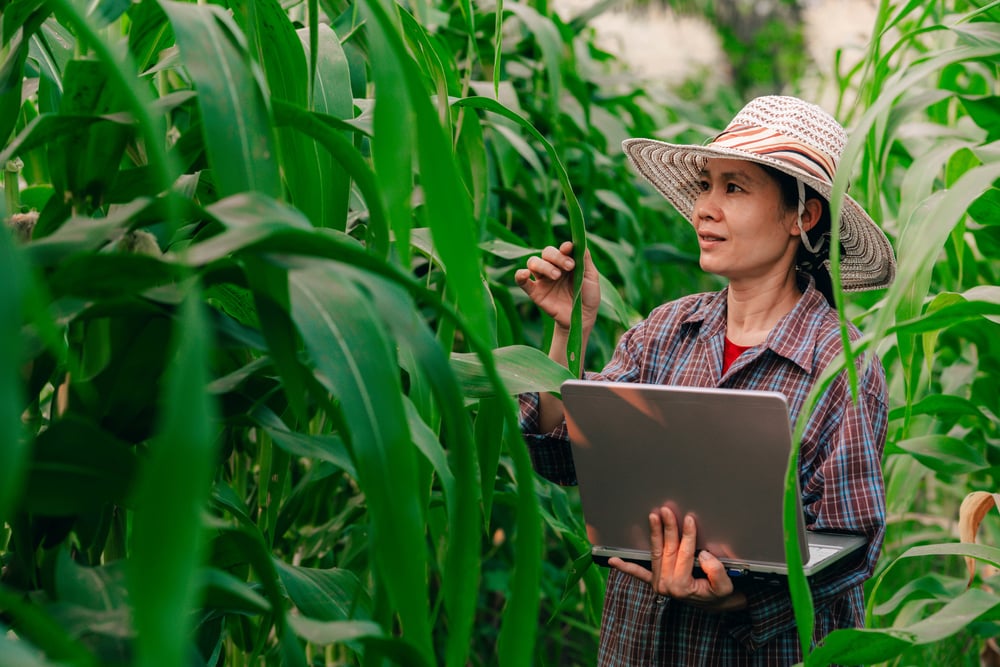
Smallholder farmers remain the backbone of agriculture across Indonesia, Vietnam and the Philippines, particularly in sectors such as rice and horticulture.
Alongside these are large agribusiness groups which manage vertically-integrated supply chains. Companies such as Vietnam’s THACO Agri, which focuses on large-scale cultivation of bananas, pineapples and other tropical fruits alongside livestock farming; Indonesia’s Sinar Mas Agribusiness & Food, one of the world’s largest palm oil producers; and Japfa, which operates across Indonesia, Vietnam and the Philippines with integrated businesses spanning animal feed, livestock farming and food processing, are already adopting modern agricultural techniques to improve productivity and quality.
In the Philippines, companies such as Dole Philippines and San Miguel Foods are investing in more efficient and traceable agricultural operations, particularly in bananas, pineapples and poultry.
Government initiatives are further accelerating adoption. Agricultural modernisation programmes, digital transformation strategies and food security policies across the region are encouraging investment in data-driven farming and supply-chain technologies.
Navigating a complex market
Despite the growing demand for agritech, entering Southeast Asian agricultural markets is rarely straightforward.
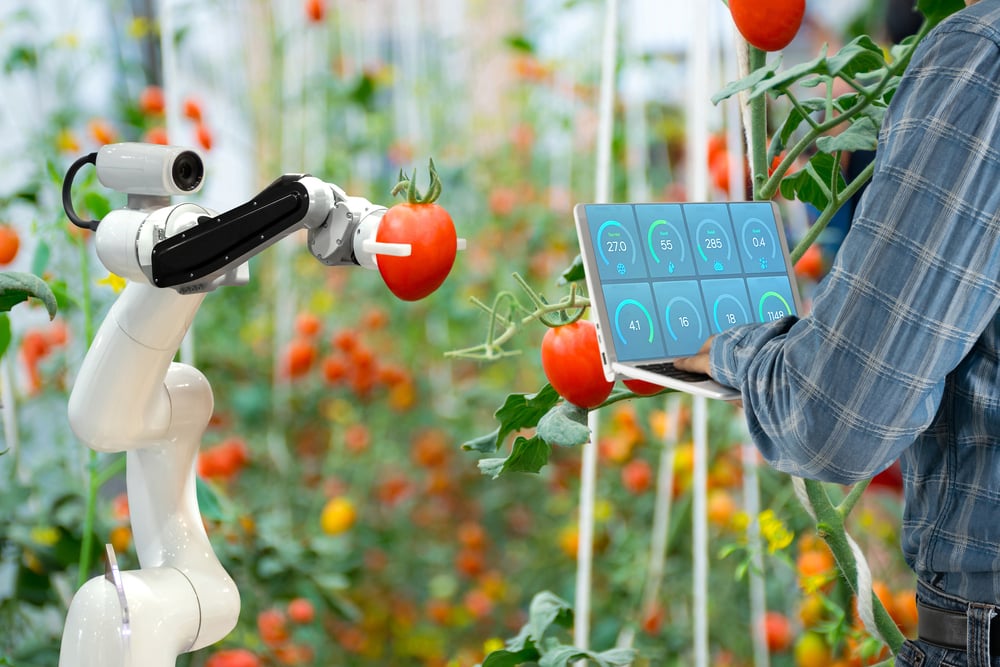
One challenge is the fragmented nature of farming systems in the region. Technologies often have to work across large networks of smallholder farmers, which require platforms that can collect and manage data from many dispersed operations while remaining cost effective and easy to implement.
Engagement with the public sector is also critical as agricultural policies, subsidies and development programmes play a major role in shaping the market. For many overseas firms, working with government agencies or Southeast Asian partners which have established relationships with Governmental agricultural departments is the most effective way to introduce new technologies.
Partnerships are, therefore, central to successful market entry and expansion. Agribusiness companies, cooperatives, research institutions and development organisations often act as effective intermediaries between tech providers and farmers.
We’ve seen this first-hand in our recent work in Vietnam, where we supported a business matching initiative for a US agritech company. The project introduced the firm’s AI-driven ‘Digital Farm Profiles’ platform to potential partners in Vietnam, demonstrating how crop analytics tools can help address challenges such as climate variability and the need for higher agricultural productivity.
These types of collaboration can help overseas companies adapt their technologies to local conditions while building the relationships needed to scale in the market.
Period of transformation
So, agriculture in Southeast Asia is entering a period of transformation. The need to improve productivity, strengthen supply chains and adapt to climate change is pushing governments and producers to embrace new technologies.
For international agritech companies, Indonesia, Vietnam and the Philippines are markets where demand is significant and growing. But success depends on more than simply exporting your tech. Companies need to understand local farming systems, identify the right partners and get involved with government programmes.
Those who approach the region with a clear value proposition and a well-planned market entry strategy will be well placed to support Southeast Asia’s agricultural transformation and to build lasting commercial opportunities in one of the world’s most dynamic agricultural regions.
To discuss the potential of your agritech business in Southeast Asia, contact Thao at thao.pham@intralinkgroup.com

Thao leads our operations in Vietnam where she manages more than 80 trade projects annually, including business matching, market research and large-scale, multi-sector trade missions. She has extensive experience of supporting companies in industrial segments including electronics, machinery, aerospace, medical and automotive. She holds a Bachelor’s degree in International Economics from the Foreign Trade University in Ho Chi Minh City and is fluent in Vietnamese and English.